Raise a writer.Raise a thinker.
Long before the application years, we build the thing that lasts: a young person who reads closely, thinks clearly, and writes like no one else. The kind of person every door eventually opens for.
Why this matters more now, not less.
AI can write a competent paragraph in seconds. So competent is now free, and forgettable. What it can’t do is make a young person worth listening to. AI raised the floor — it didn’t raise the ceiling. The students who can genuinely think and write are about to matter more than they ever have.
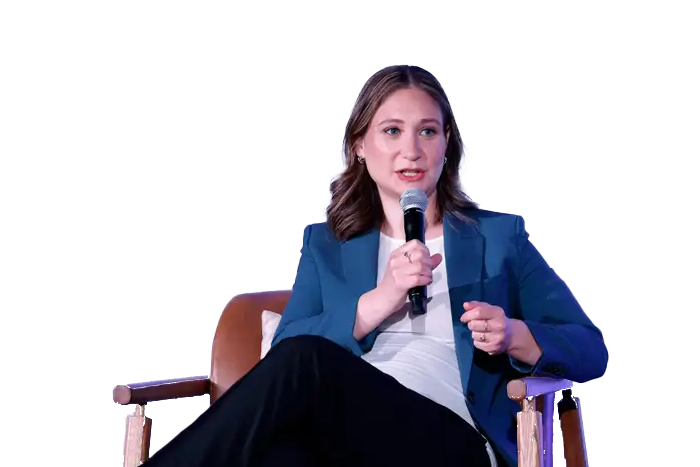
I actually think studying the humanities is going to be more important than ever. A lot of these [AI] models are actually very good at STEM. But I think this idea that there are things that make us uniquely human — understanding ourselves, understanding history, understanding what makes us tick — I think that will always be really, really important.
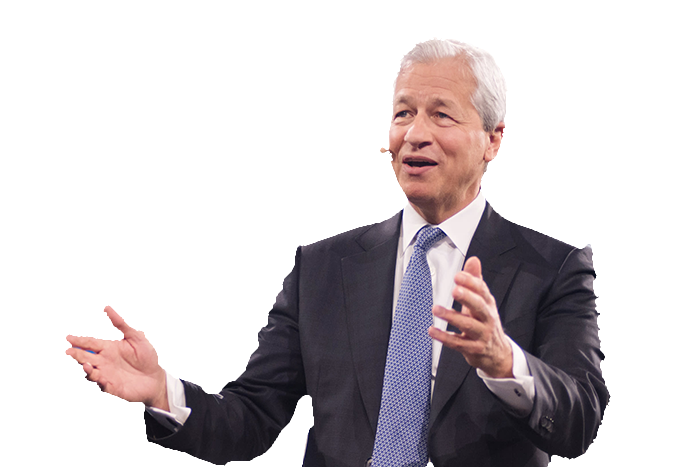
My advice to people would be critical thinking, learn skills, learn your EQ, learn how to be good in a meeting, how to communicate, how to write. You’ll have plenty of jobs.
One craft, four pillars.
Communication, writing, reading, and humanities aren’t four subjects — they’re one craft taught together. This is the method, not a menu.
Communication
Say what you mean, to a real audience, and be understood. The skill underneath every other one.
Writing
From the sentence to the whole piece — structure, voice, and the courage to cut. Real work, not worksheets.
Reading
Read like a writer: notice the moves great authors make, then steal them. Taste is built, not born.
Humanities
History, ideas, and the questions that make a person interesting. The raw material of anything worth saying.
It shows up in real things: essays worth keeping, competition entries, a portfolio that grows year over year. Our coaches have won National YoungArts and National History Day, and edited the oldest literary magazine in America — and they teach students to do the same kind of work.
Who it’s for
Younger students — well before the application years. There’s no hard starting age; if a kid is ready to become a stronger communicator, they’re ready for this.
If you just want a great writer and thinker
No admissions race, no pressure. We grow the skill and the person — and let the rest take care of itself. Plenty of our families never bring up college, and that’s exactly right.
If college is the goal from day one
Then this is the runway. The students colleges are built to reward are the ones who started becoming themselves early. Foundations is where that begins.
How it works
A coach who knows your kid
One coach, one student. They learn how your child thinks and build around it.
Weekly 1:1 sessions
Live, virtual, and unhurried. Real reading and writing, every week.
Editing in between
Async notes on drafts between sessions, so the work keeps moving.
A read for parents
A short note on what your child is working on. No transcripts, no surveillance.
Some families come to us with the Ivy League as the goal from day one; others just want their kid to become a real writer and thinker. Foundations serves both — and if college becomes the goal, you’ll have been building toward it the whole time →
One coach, every week.
A simple monthly subscription. No hourly rates, no upsells.
- Weekly 1:1 sessions with your coach (virtual)
- Asynchronous edits on work between sessions
- A curriculum built around your child, not a template
- A weekly read for parents
- Cancel anytime — it’s a practice, not a contract
Foundations questions
My kid isn't applying to college yet — is this for us?
Is there a minimum age or grade?
Is it high-pressure?
How is this different from a regular tutor?
Does this lead to college?
For pricing, scheduling, and the coaches, see our general FAQ →.